Buying your first home in Westmont can feel like a balancing act. You want a price that still feels within reach, a location that works for daily life, and a home that will not surprise you with major issues right after closing. The good news is that Westmont can offer all three, especially if you go in with clear expectations. In this guide, you’ll learn what first-time buyers should know about prices, property types, commute factors, and the realities of buying in a mature suburb. Let’s dive in.
Why Westmont Appeals to First-Time Buyers
Westmont stands out because it offers a more accessible entry point than some nearby western suburbs. Census QuickFacts reports a median owner-occupied home value of $379,100, and Zillow’s current typical home value is $387,042. That puts Westmont in a range that often feels more approachable for first-time buyers than higher-priced neighboring markets.
The housing mix also matters. Westmont is not made up of only large detached homes, which gives you more ways to enter the market. Current listing snapshots show starter-level options often include condos in roughly the $230,000 to $275,000 range, townhomes around $320,000 to $395,000, and some smaller detached homes starting in the upper $200,000s.
Westmont is also a mixed owner-renter community, with a 55.1% owner-occupied rate. For many buyers, that can signal a more flexible housing landscape with a broader mix of product types. If you are moving from renting to owning, that variety can be especially helpful.
What a First Home in Westmont Usually Looks Like
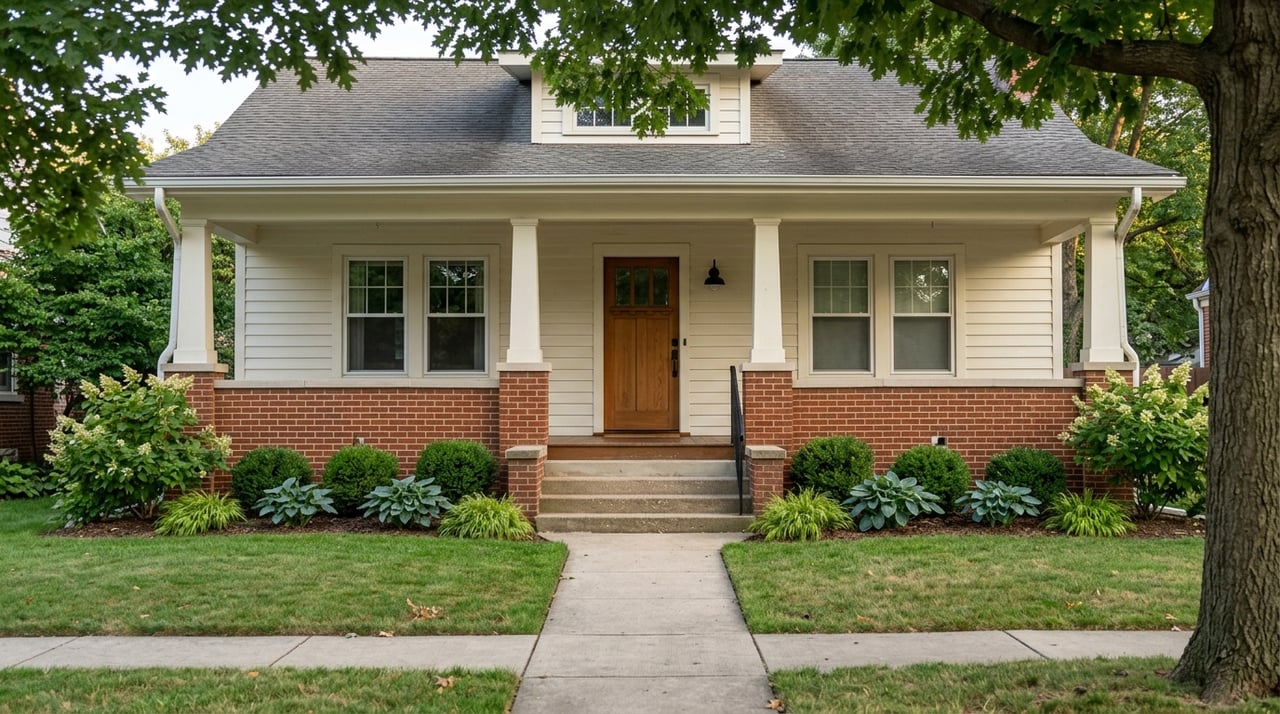
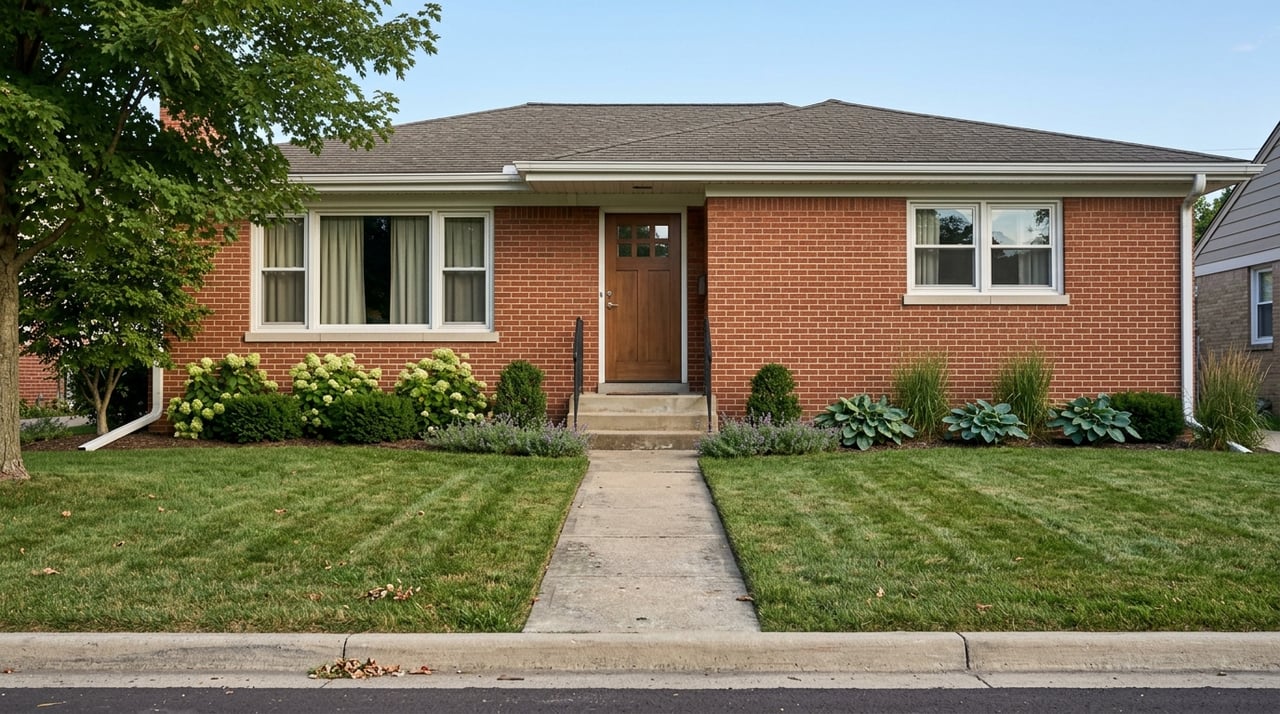
If you picture brand-new construction, Westmont may not match that expectation. The village describes Westmont as a mature community, with over half of its housing stock built between 1970 and 1989 and less than 20% built since 1990. In practical terms, many first homes here are older condos, townhomes, or smaller single-family houses.
That older housing stock is not a negative by itself. It often means established streets, a built-out community, and homes with character or solid layouts. It also means you should expect the condition and update level of one property to vary a lot from the next.
Detached single-family homes remain the most common owner-occupied housing type in Westmont, according to the village housing profile. Still, for many first-time buyers, the most realistic entry point is often a condo or townhome rather than a newly renovated detached house.
Westmont Home Prices to Know
Pricing in Westmont usually sits in the high $300,000s to low $400,000s, depending on the property type, condition, and timing. Redfin showed a median sale price of about $410,288 in April 2026, after a March reading around $442,000. Zillow’s typical home value of $387,042 supports that same general range.
For first-time buyers, the key is to match your budget to the right category of home. A condo may give you an easier path into homeownership, while a townhome may offer more space at a lower cost than many detached homes. A smaller older single-family home can also work, but you may need to budget more carefully for repairs and updates.
Here is a simple way to think about current Westmont starter-home options:
| Home type | Typical starting range in current snapshots | What buyers should expect |
|---|---|---|
| Condo | About $230K to $275K | Lower entry price, smaller footprint, often a practical first step |
| Townhome | About $320K to $395K | More space than many condos, often a middle-ground option |
| Smaller detached home | Roughly upper $200Ks to mid $400Ks | More independence, but older systems and maintenance may be part of the deal |
Why Westmont Compares Well Nearby
Westmont often gets attention from first-time buyers because of its price gap versus nearby suburbs. Zillow places Westmont’s typical home value at $387,042, compared with $660,204 in Clarendon Hills and $1,244,308 in Hinsdale. That is a substantial difference for buyers trying to enter the market without leaving the western suburbs.
This does not mean Westmont is the same as those markets at a discount. The trade-off usually includes older housing stock and a broader mix of condos and townhomes. For many buyers, though, that trade-off is exactly what makes Westmont worth a close look.
If your goal is to buy your first home and start building equity in a well-located suburb, Westmont can make that goal feel more realistic. It gives you access to the area without requiring the same upfront budget as some neighboring communities.
Commute and Convenience in Westmont
Location is one of Westmont’s biggest advantages. The village identifies Cass Avenue as the main north-south arterial through downtown, with Ogden Avenue, 55th Street, and 63rd Street serving as key east-west routes. Westmont also benefits from access to I-88, I-55, I-294, and I-355.
For many buyers, the Westmont Metra station is a major plus. The station at 18 West Quincy sits on the BNSF line and offers parking as well as Pace connections. If commuting flexibility matters to you, being near the station or downtown may add real day-to-day value.
Downtown Westmont is another factor worth paying attention to. The village describes downtown as the community’s centerpiece, and current rezoning efforts are intended to improve vibrancy and walkability around the station and Westmont Centre. Redfin also labels Westmont as moderately walkable, with a Walk Score of 52, which means location within the village can shape your everyday convenience.
Why Inspections Matter More Here
In a mature market like Westmont, a home inspection is not just a box to check. It is one of the most important tools you have as a first-time buyer. Because much of the housing stock dates to the mid-to-late 20th century, age-related maintenance and repairs should be expected in many transactions.
Inspection guidance cited in the research emphasizes reviewing the site, exterior, interior, and key systems such as structure, electrical, plumbing, and HVAC. That is especially important when you are comparing homes with very different update histories. Two homes at a similar price can come with very different near-term costs.
Lead-based paint concerns in older housing and radon testing are also part of healthy-home due diligence. As a buyer, you want enough time in the contract process to evaluate these issues and decide whether the home still makes sense for you.
Smart First-Time Buyer Strategy in Westmont
If you are serious about buying in Westmont, it helps to stay practical. The best first home is not always the one with the most upgrades. Often, it is the one that fits your monthly budget, commute, and maintenance comfort level.
A smart approach usually includes:
- Deciding whether a condo, townhome, or detached home fits your budget best
- Comparing downtown access with other parts of Westmont based on your daily routine
- Planning for inspection findings instead of assuming an older home will be problem-free
- Leaving room in your budget for repairs, maintenance, or updates after closing
- Watching inventory closely, since starter-level options can be limited
Current listing snapshots show only a small number of active condo and townhome listings at a time. That means preparation matters. If you know your budget and must-haves before the right home appears, you will be in a better position to act with confidence.
What First-Time Buyers Should Keep in Mind
Westmont can be a strong first-home market, but it rewards buyers who understand what they are buying. You are often choosing between price, condition, property type, and location within the village. There is no perfect answer, only the best fit for your goals.
For many buyers, Westmont works because it offers a practical way into suburban homeownership with useful transportation access and a real mix of housing options. If you come in expecting an older housing stock, a competitive starter segment, and the need for careful inspections, you can make smart decisions without feeling overwhelmed.
Buying your first home is a big step, and local guidance can make it much easier to sort through the trade-offs. If you are thinking about a first home in Westmont, The Casselyn Group can help you evaluate options, understand the local market, and move forward with clarity.
FAQs
What price range should first-time buyers expect in Westmont?
- Westmont home prices often land in the high $300,000s to low $400,000s overall, but starter options can include condos around $230,000 to $275,000, townhomes around $320,000 to $395,000, and some smaller detached homes starting in the upper $200,000s.
What type of first home is most common for buyers in Westmont?
- For many first-time buyers, the most realistic options are condos, townhomes, or smaller older single-family homes rather than new construction.
Why are home inspections especially important for Westmont buyers?
- Westmont is a mature community with much of its housing built between 1970 and 1989, so buyers should pay close attention to structural, electrical, plumbing, HVAC, and other age-related condition issues.
How does Westmont compare with Hinsdale and Clarendon Hills for buyers?
- Westmont’s typical home value is much lower than Clarendon Hills and Hinsdale, which can make it a more accessible way to buy in the western suburbs, though buyers often trade that lower price for older housing stock and a broader condo or townhome mix.
What makes Westmont convenient for commuters and daily life?
- Westmont offers access to major regional routes, a Metra BNSF station with parking and Pace connections, and a downtown area where the village is working to improve vibrancy and walkability.