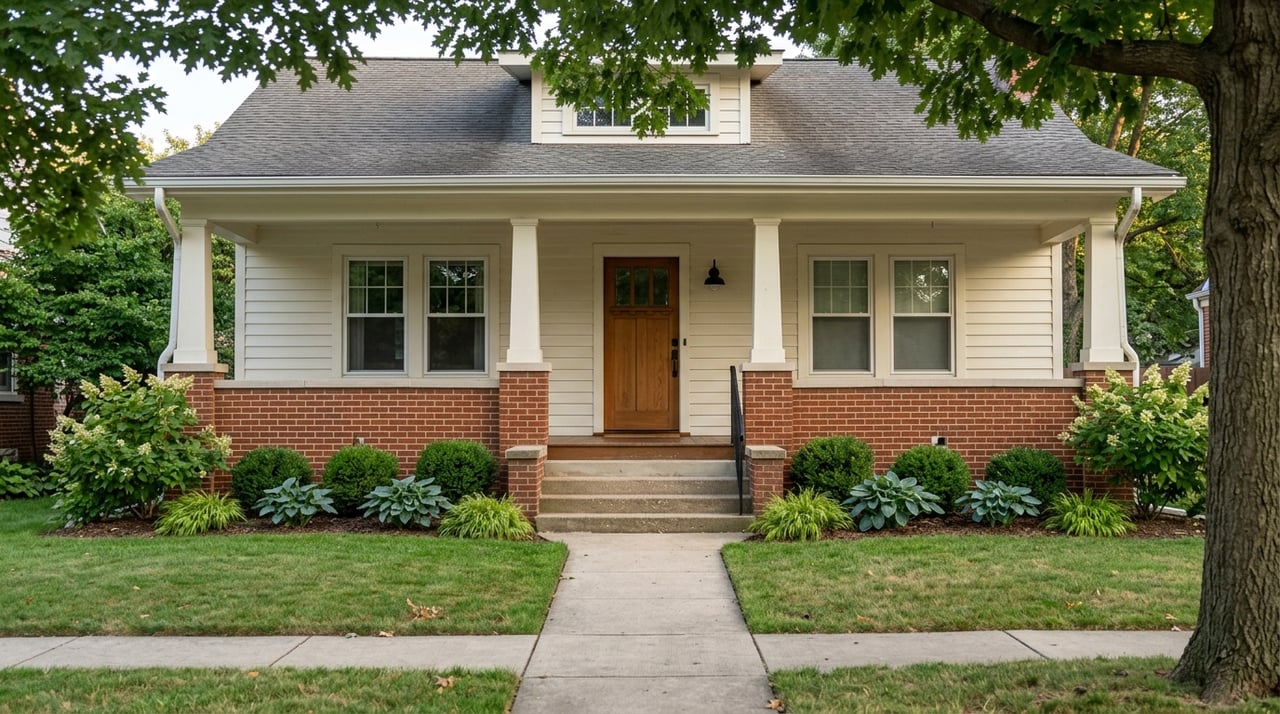
If you want a first foothold in Clarendon Hills, you may be surprised by where the opportunity usually shows up. In a village known for strong demand, a vibrant downtown, and direct rail access to Chicago, the starter-home conversation is often less about brand-new inventory and more about smaller, older homes with character and potential. If you are trying to figure out whether Clarendon Hills has an entry point for your budget and lifestyle, this guide will help you understand what to look for, where the tradeoffs are, and why local details matter. Let’s dive in.
Why Clarendon Hills Appeals to First-Time Buyers
Clarendon Hills is a compact western suburb with about 8,703 residents packed into 1.81 square miles. It also has a high owner-occupied housing rate of 84.2%, which speaks to its established residential feel and long-term appeal. For many buyers, that mix of stability, walkability, and commuter convenience is a big part of the draw.
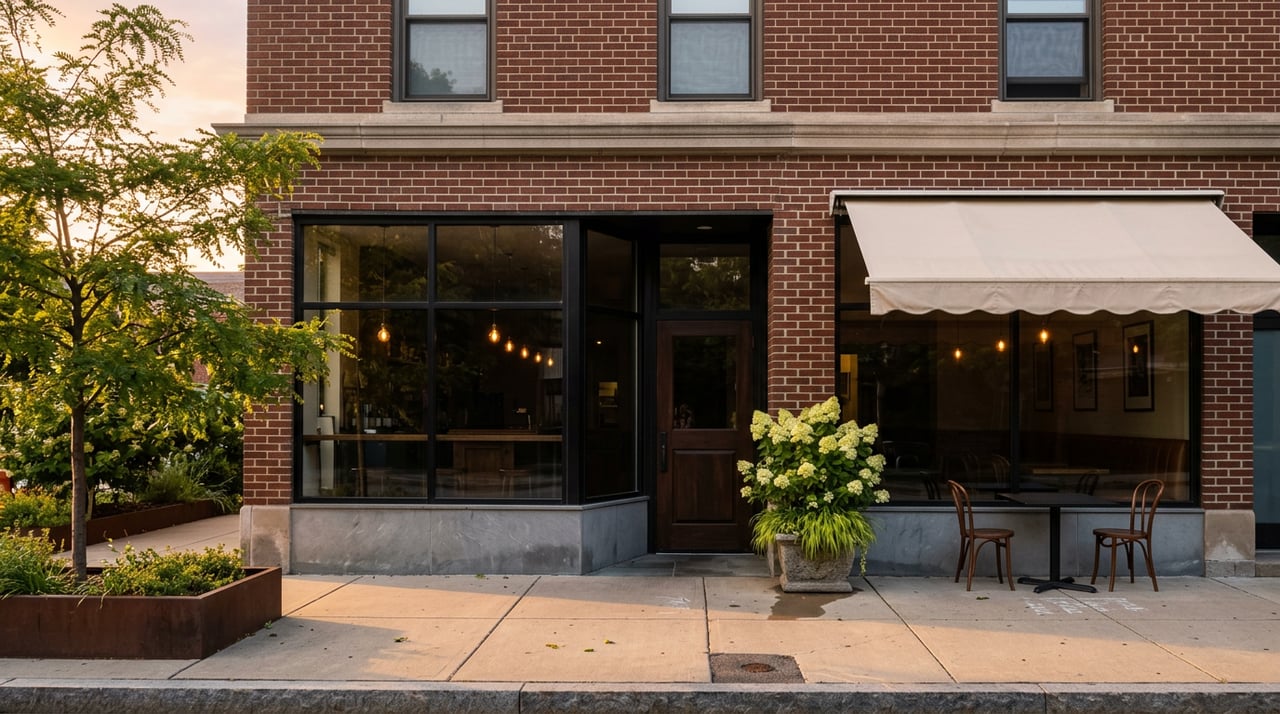
The village also offers a lively downtown with more than 100 businesses and direct Metra access to Chicago. More than 900 people board at the Clarendon Hills Metra Station daily, and the downtown area is designed to be pedestrian-oriented. That means your day-to-day life can feel connected and convenient, especially if you value being near shops, restaurants, and the train.
Clarendon Hills can also be a more attainable way into this part of the western suburbs. Census data shows a median home value of $974,000 in Clarendon Hills, compared with $1,650,000 in nearby Hinsdale. That does not make Clarendon Hills inexpensive, but it does help explain why buyers often view it as a relatively more accessible option in the broader Hinsdale-area market.
What “Starter Home” Means Here
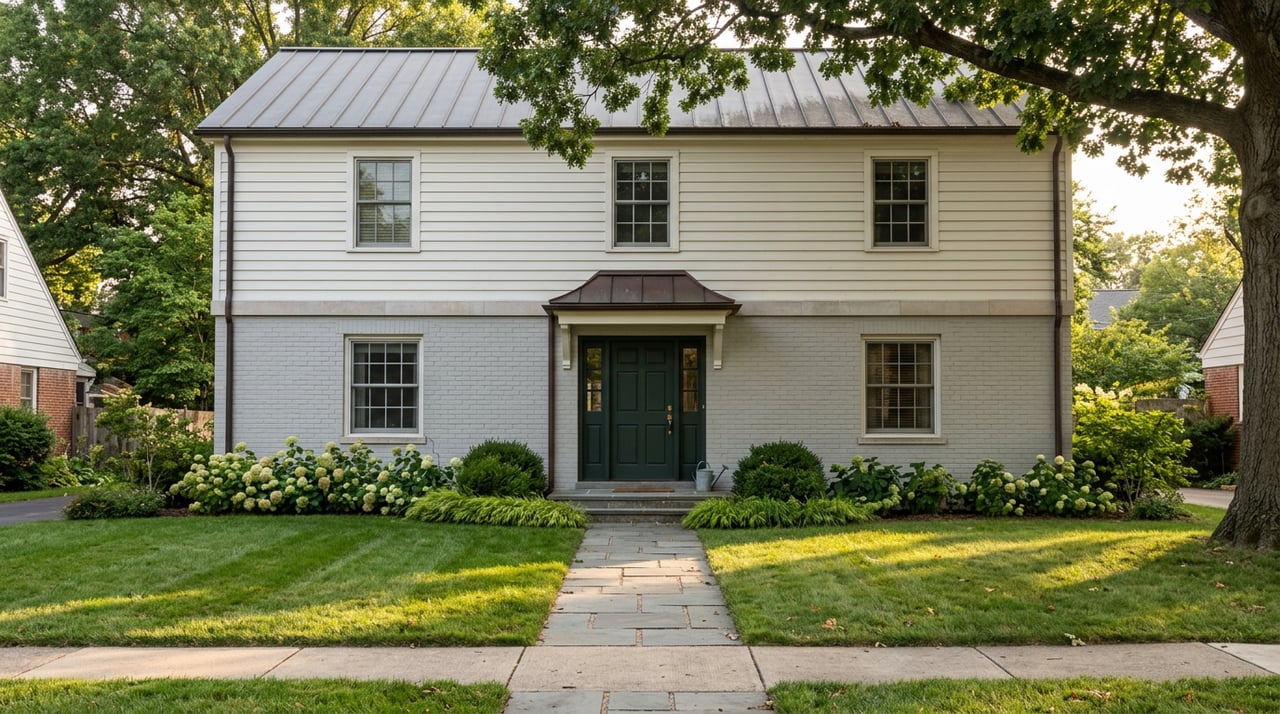
In Clarendon Hills, a starter home usually does not mean a large pool of entry-level condos. CMAP data shows that 73.3% of the local housing stock is single-family detached, with smaller shares of attached homes and multi-unit properties. In practical terms, your entry point is more likely to be a compact detached house, an older home that needs updates, or a limited attached option.
That is why terms like cottage and bungalow are best used as everyday shorthand here, not as formal housing categories. The available sources support a mix of smaller vintage homes and modest postwar houses, but not an official inventory of cottages or bungalows. If you are shopping in Clarendon Hills, it is more useful to focus on size, age, lot layout, and condition than on style labels alone.
Common Home Types You May Find
Smaller Vintage Homes
A meaningful share of Clarendon Hills housing dates to the mid-20th century. CMAP reports that 39.9% of housing was built between 1940 and 1969, while only 4.7% was built before 1940. That age mix helps explain why first-time buyers often end up considering homes with older layouts, smaller footprints, and varying levels of renovation.
These homes can appeal to buyers who want an established block and are open to making updates over time. You may find charm in the details, but you should also expect that systems, finishes, or floor plans may not match newer construction. A smaller older home can be a smart way to enter the market if you go in with clear expectations.
Postwar Ranches, Cape Cods, and Split-Levels
Clarendon Hills’ own historical materials note that after World War II, ranches, Cape Cods, and split-level homes were built on older platted lots throughout the village. Those house types often fit the starter-home conversation because they tend to be more modest in scale than newer custom homes. They can also offer a path for buyers who want a detached property without stepping into the upper end of the market.
Some of these homes remain standing on blocks with a mix of housing ages and sizes. That can create both opportunity and pressure. You may be buying a home with usable space today, while also needing to think about future renovation choices and long-term resale.
Narrow Attached Options
Because Clarendon Hills is not a condo-heavy market, attached inventory tends to be more limited than in some nearby suburbs. If you prefer lower maintenance, you may need to be patient and move quickly when the right option appears. For some buyers, that tradeoff is worth it to gain access to the village’s location and lifestyle.
Why Location Inside the Village Matters
One of Clarendon Hills’ biggest selling points is how much daily life centers around downtown. The village highlights a strong pedestrian-oriented core with restaurants, boutique shops, and the Metra station. Seasonal events like the Farmers Market, Dancin’ in the Street, Daisy Days, Oktoberfest, Holiday Walk, and the annual tree-lighting ceremony add to that community rhythm.
For a starter-home buyer, that means smaller homes near the village core can carry extra appeal. CMAP classifies 13.6% of resident and job locations as high walkability areas and 86.4% as moderate walkability, with no low-walkability areas reported. Transit availability is also notable, with 40.5% of resident and job locations in high-transit-availability areas.
If your budget leads you toward a smaller home, proximity can become part of the value equation. A compact house within reach of downtown and Metra may feel more livable if you can easily access errands, dining, and commuting options.
The Renovation Factor Buyers Should Expect
In Clarendon Hills, many starter-home searches quickly turn into renovation conversations. The local housing stock is older, and the village also has a long history of homes sitting on lots that were platted decades earlier in irregular shapes and sizes. That combination makes every property a little more specific.
If you are considering a home that needs work, it is important to know that the village requires permits for remodeling, altering, repairing, enlarging, or demolishing buildings. The building-permit page also lists submittal requirements for projects like additions, decks, detached garages, and demolition. Updated building codes took effect on February 1, 2026, which adds another reason to verify requirements early.
A home that seems like an easy cosmetic update from the street may come with more planning behind the scenes. Before you assume you can add on, rework the driveway, or reshape outdoor space, it is worth understanding how the lot and zoning affect your options.
Why Lot Size and Zoning Matter
Zoning is a big deal in a village like Clarendon Hills because smaller homes are often tied to older, irregular lots. In the R-1 district, the minimum lot area is 9,000 square feet and the minimum lot width is 60 feet. The front yard setback is also tied to the average setback of the blockface, which can make design changes more nuanced than buyers expect.
The R-2 district allows single-family lots as small as 5,000 square feet, but the ordinance says that district is intended for transitional locations near commercial or business districts rather than traditional single-family neighborhoods. That distinction matters if you are comparing homes that seem similar online but sit in very different regulatory contexts.
For you as a buyer, the takeaway is simple: lot-specific due diligence matters. The feasibility of additions, rebuilds, garages, and outdoor projects can vary significantly from one property to the next.
How to Shop Smart for a Starter Home
If you are serious about Clarendon Hills, it helps to shop with a clear framework rather than chasing style labels alone. A smaller home here can be a great long-term move, but only if the property fits both your present needs and your future flexibility.
Here are a few smart questions to ask as you tour homes:
- Is the home livable for your needs today, even if updates happen later?
- How much of the value is tied to walkability, transit access, or downtown proximity?
- Does the lot shape or size limit future additions or exterior changes?
- Are you comfortable with the upkeep that can come with an older home?
- If attached inventory is limited, are you open to a smaller detached home instead?
These questions can help you compare homes more realistically. In Clarendon Hills, the best starter home is often the one that balances location, condition, and future potential, not necessarily the one with the trendiest label.
Why Resale Still Matters
Even if this is your first home, it helps to think a step ahead. The village profile notes local schools including Walker Elementary, Prospect Elementary, and Clarendon Hills Middle School, with many students attending Hinsdale Central High School. From a market perspective, that pattern can matter to future buyers and support long-term resale demand.
You do not need to plan your entire future before buying. You just want to understand how location, housing type, and renovation potential may affect your options later. In a market with an established owner base and ongoing reinvestment in downtown, buying thoughtfully can matter as much as buying quickly.
Starter homes in Clarendon Hills are rarely one-size-fits-all. They are usually smaller detached homes, modest postwar houses, or occasional attached properties that offer a path into a highly sought-after village. If you want help sorting through the tradeoffs, I can help you evaluate which homes offer real value, what to watch for on older lots, and how to approach the market with confidence. When you’re ready, connect with The Casselyn Group.
FAQs
What counts as a starter home in Clarendon Hills?
- In Clarendon Hills, a starter home is often a smaller detached house, possibly an older home with updating needs, or a limited attached option rather than a large condo inventory.
Are there many cottages and bungalows in Clarendon Hills?
- The local sources support a mix of smaller vintage homes and modest postwar houses, but they do not identify an official cottage or bungalow inventory, so those terms are best used as informal shorthand.
Is Clarendon Hills walkable for first-time buyers?
- Yes. The village has a pedestrian-oriented downtown with shops, restaurants, and the Metra station, and CMAP reports moderate to high walkability across resident and job locations.
Should buyers expect renovation issues with Clarendon Hills starter homes?
- Possibly. If the house dates from 1940 to 1969, it may require updates, permits, and lot-specific planning for future improvements. But it is not uncommon to find an older home which has already been updated.
Why does zoning matter when buying a smaller home in Clarendon Hills?
- Zoning affects minimum lot size, lot width, setbacks, and what may be possible for additions, garages, driveways, and outdoor projects, so it is important to review each property individually.