Western Suburbs Relocation Guide
Living in Oak Park IL: Architecture, Transit, and Daily Life
What is it like living in Oak Park, IL? Living in Oak Park offers a unique urban-suburban lifestyle defined by walkable downtown districts, extensive CTA Blue and Green Line transit, and the largest concentration of Frank Lloyd Wright Prairie School architecture in America.
If you want a suburb that feels connected, walkable, and full of character, Oak Park stands out fast. For many buyers and sellers, the appeal is not just the homes themselves, but how architecture, transit, and daily routines all work together in one compact community. This guide will help you understand what living in Oak Park is really like, from historic housing and train access to parking rules and neighborhood business districts.
Urban-Suburban Balance
Why Oak Park Feels Different
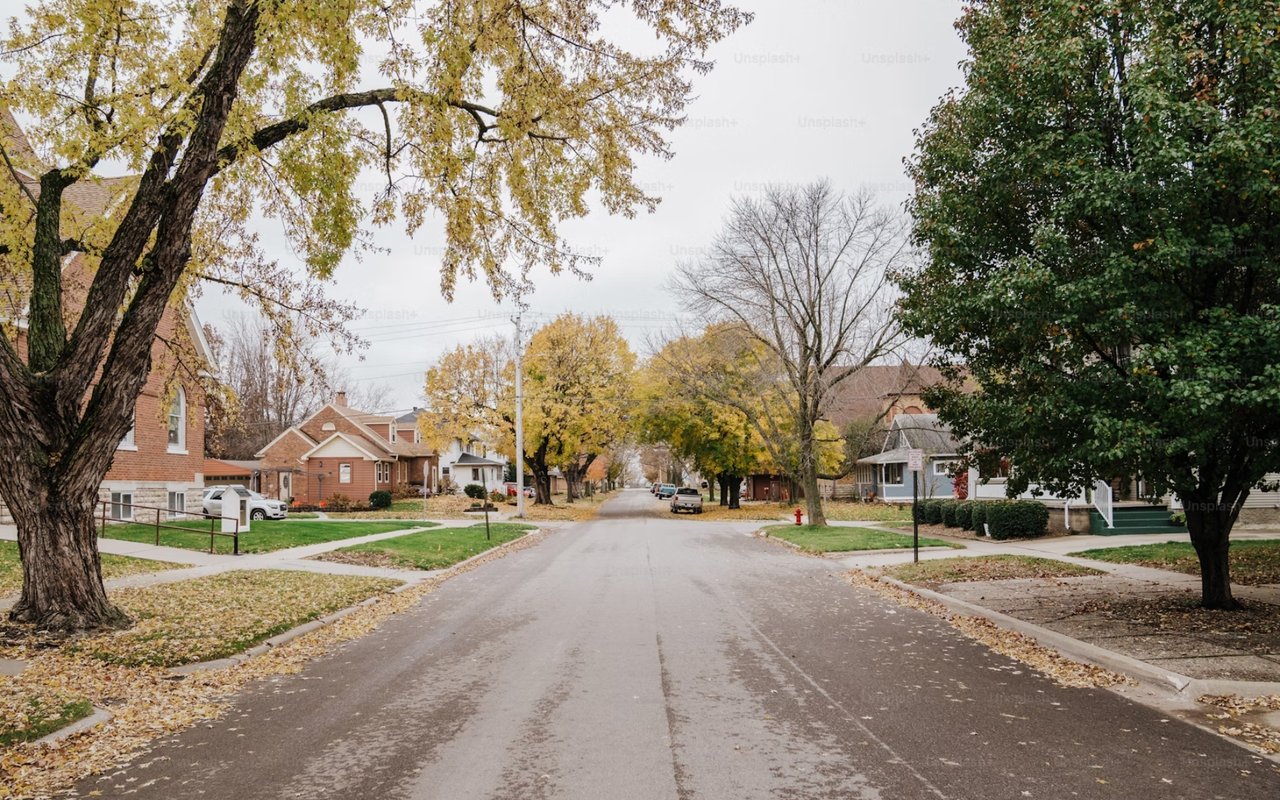
Oak Park is often described as an urban-suburban community, and the numbers back that up. The village had an estimated 52,947 residents in 2024 across just 4.70 square miles, with a population density of 11,613.4 people per square mile. That creates a built-in sense of activity and closeness that feels different from a more spread-out bedroom suburb.
You can also see that mature, established feel in the housing and lifestyle data. The Census reports a 60.0% owner-occupied housing rate, a median owner-occupied home value of $465,500, a median gross rent of $1,593, and a mean commute time of 31.6 minutes. Just as telling, 86.9% of residents lived in the same house one year earlier, which suggests a community where many people stay put.
Market Overview Matrix
Oak Park Lifestyle & Relocation Matrix
A quick-reference guide evaluating Oak Park's core neighborhood parameters, reality check features, and practical buyer considerations.
Neighborhood Parameter | Oak Park Reality | Buyer Consideration |
|---|---|---|
Architecture & Housing | Prairie School, Queen Anne & historic districts | Strong visual identity; exterior changes may require review |
Transit Access | CTA Blue Line, CTA Green Line & Metra UP-W | Highly commuter-friendly; supports car-light living |
Urban Density | 11,613 people per square mile | Vibrant, connected feel; distinct from spread-out suburbs |
Parking Regulations | Overnight street parking prohibited (2:30 AM to 6:00 AM) | Requires off-street lots or parking permits |
Commercial Districts | 12 walkable business districts (Downtown, Arts District) | Supports local errands, dining, and weekend strolling |
Source: Village of Oak Park Historic Preservation Commission, Chicago Transit Authority (CTA), and US Census Bureau records. Audited against Mainstreet Organization of REALTORS (MORe) data.
Historic Identity
Oak Park Architecture Shapes Daily Life
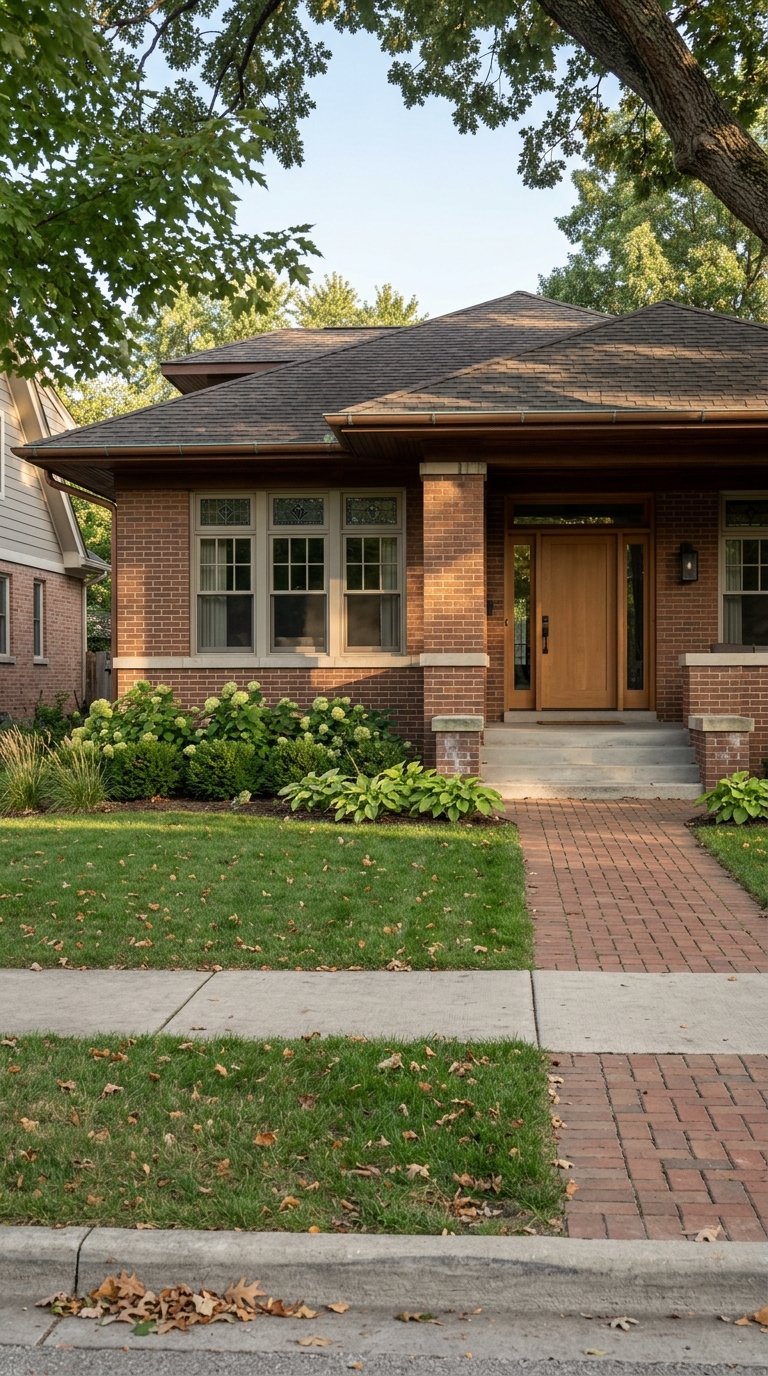
Oak Park is widely known for its architecture, especially Queen Anne, Prairie School, and Colonial Revival homes. The village notes that Frank Lloyd Wright lived in Oak Park from 1889 to 1909, and that the village has the largest concentration of Prairie School architecture in America, including 25 Wright designs. In Oak Park, architectural history is not tucked away in one small area. It is part of the everyday streetscape.
The village's preservation footprint is significant. Oak Park has three historic districts that cover about a third of the village, along with 11 buildings and one park on the National Register, one building on the UNESCO World Heritage List, and more than 70 locally designated landmarks. For you as a buyer or homeowner, that can add visual character, a strong sense of place, and a level of consistency from block to block.
Landmark Homes and Civic Identity
Two of the best-known sites are the Frank Lloyd Wright Home and Studio and Unity Temple. These places help define Oak Park's identity as a community where design is part of daily life, not just a tourism feature. Even if you are not shopping for a designated historic property, that architectural influence shapes the look and feel of many streets.
For many people, this is a major reason Oak Park feels memorable. The village offers a housing experience with older homes, established streets, and architectural variety that can be hard to replicate in newer suburbs. If you care about character and a stronger visual identity, Oak Park has a clear point of difference.
What Historic Designation Means for Homeowners
If you are considering a home in a historic district or a landmark property, it is important to understand the review process. According to the village, the Historic Preservation Commission reviews exterior alterations, additions, new construction, and full or partial demolition for historic districts and landmark properties. That means your plans for changing the outside of a home may require review.
At the same time, not every project triggers that process. The village states that routine maintenance, such as exterior painting, is not reviewed. It also notes that owners of historic buildings may be eligible for tax incentives, which can be an important detail when weighing long-term ownership costs and benefits.
Commuter Infrastructure
Transit in Oak Park Is a Major Advantage
One of Oak Park's strongest lifestyle features is its transit access. The village says both the CTA Blue Line and Green Line stop in Oak Park, and Metra's Union Pacific West Line also serves the village. On top of that, multiple CTA and Pace bus routes operate in the area. For many households, that adds flexibility to the workweek and the weekend. You may be able to commute by rail, run errands with fewer car trips, or choose a home based partly on transit convenience.
Rail Options You Can Actually Use
The CTA Green Line runs from Harlem through Oak Park to the Loop. The Blue Line adds another direct rail option to the south.
Biking and Car-Light Living
Neighborhood greenways and share-the-road signage make it easier to build a car-light routine for local errands.
Parking Takes More Planning
Parking is prohibited on most streets from 2:30 a.m. to 6:00 a.m. unless permit or pass rules apply.
Off-Street Lot Network
The village manages over 100 off-street lots through Parking Services to support residents without driveways.
Community Hubs
Daily Life Centers on Walkable Districts
Oak Park's daily rhythm is shaped by multiple business districts instead of one large retail corridor. The village says there are 12 business districts, each contributing to the local feel in a slightly different way. That pattern supports walking, short local trips, and a stronger sense of neighborhood identity.
Downtown Oak Park is the central commercial district and sits about 10 miles west of the Loop. The village highlights its restaurants, Lake Theatre, professional services, public transit access, and year-round event calendar. For many residents, this mix helps make ordinary routines feel more convenient and connected.
Distinct Districts, Different Energy
The Hemingway District is described by the village as transit-oriented and suited to strolling and biking. That gives it a practical appeal for residents who want easy access to shops and trains in one area. It is part of what reinforces Oak Park's more urban pattern of daily movement.
The Oak Park Arts District, centered on Harrison Street, adds another layer of local character. The village says it includes galleries, studios, music stores, coffeehouses, resale shops, and other small enterprises. For you, that can mean more variety in how you spend a Saturday afternoon without leaving town.
Parks and Recreation Stay Active Year-Round
Oak Park is not only about architecture and transit. The Park District of Oak Park adds a strong recreation network with 18 parks totaling 84 acres and about 3,000 programs annually. That gives residents a wide range of ways to stay active and engaged close to home.
Program offerings include fitness, swimming, music, dance, visual and performing arts, and sports. The park district also maintains historic properties such as Cheney Mansion, Pleasant Home, and the Oak Park Conservatory. Together, these resources help Oak Park feel active and layered rather than purely residential.
Community Routines Matter Here
One seasonal favorite is the Saturday farmers market at 460 Lake Street. The market celebrated its 50th season in 2025, which speaks to how established some of Oak Park's community routines are. For residents, those recurring local events can make the village feel familiar and easy to plug into.
Real Estate Match
Who Oak Park Often Fits Best
Oak Park can be a strong match if you want a suburb with architectural character, rail access, and a less auto-dependent feel. It may also appeal to you if you value older housing stock, compact business districts, and a more established street pattern. Compared with a classic bedroom suburb, Oak Park offers a more layered and active daily environment.
It may take more thought if you want easy parking, fewer rules tied to exterior home changes, or a newer-housing feel. In that sense, Oak Park comes with clear tradeoffs along with its clear strengths. The right fit depends on how you want your home and neighborhood to support your everyday life.
If you are comparing western suburbs, Oak Park is best understood as a mature, built-out community with suburban housing and city-style convenience. That combination is exactly why many buyers find it compelling. It offers a lifestyle that feels connected, distinct, and practical all at once.
Casselyn Tertell | Compass Real Estate
Casselyn Tertell and the Casselyn Group specialize in luxury residential real estate across Hinsdale, Clarendon Hills, Oak Park, Western Springs, and the surrounding Chicago Western Suburbs. Backed by Compass technology and deep local market expertise, the team provides discreet, data-driven representation for both buyers and sellers navigating the Oak Park housing market.
Relocation Inquiries
Frequently Asked Questions
What is daily life in Oak Park like for residents?
Daily life in Oak Park centers on walkable business districts, transit access, parks, recreation programs, and community routines like the seasonal Saturday farmers market.
What makes Oak Park architecture different from other suburbs?
Oak Park is known for Queen Anne, Prairie School, and Colonial Revival architecture. The village has the largest concentration of Prairie School architecture in America, including 25 Frank Lloyd Wright designs.
What transit options are available in Oak Park?
Oak Park is served by the CTA Blue Line, CTA Green Line, Metra Union Pacific West Line, and multiple CTA and Pace bus routes.
What should homebuyers know about historic homes in Oak Park?
In Oak Park historic districts and landmark properties, the Historic Preservation Commission reviews exterior alterations, additions, new construction, and demolition, while routine maintenance like exterior painting is not reviewed.
What are parking rules like for Oak Park residents?
The village prohibits parking on most streets from 2:30 a.m. to 6:00 a.m. unless permit or pass rules apply, and residents must keep annual vehicle licenses current.
Is Oak Park more urban or suburban in feel?
Oak Park is often described as an urban-suburban community because it combines suburban housing with density, walkable districts, and strong public transit access.
Consult the Expert
Find Your Oak Park Home With Casselyn Group
If you are thinking about buying or selling in Oak Park or nearby western suburbs, The Casselyn Group can help you evaluate fit, timing, and next steps with clear, local guidance.